

If you are a new mom watching your baby rub their eyes, sneeze, or get rashes around pets or pollen season, your first instinct might not be to reach for a pill bottle or sign up for needles. Many parents want to understand the tradeoffs first, and some prefer to start with the environment before they commit to long-term medication or immunotherapy.
-
Immunotherapy is rarely the first stop for the youngest babies, and shots are a heavy lift. Allergy shots are a long-term plan specialists usually consider when symptoms are persistent and tied to specific allergens. Even when shots make sense for an older child, parents often dread frequent office visits, needles, and juggling naps around appointments, so they ask whether another path should come first.
-
A home-friendly angle cat-allergy families use. If cat dander is part of your household stress, reducing active Fel d 1 on the cat and in the environment can complement whatever your physician recommends. Many parents prefer that “fix the air and surfaces” mindset before they default to long-term meds for a tiny child. Pet dander, dust mites, mold, and pollen are particles in the air and on surfaces; HEPA filtration, washing bedding, and targeting pet allergens at the source match the instinct to fix the environment, not only mask what is irritating your child.
Featured Product -
Liquid or tablet allergy medicines are not something moms want to wing at 2 a.m. Labels go by age and weight; some products are not meant for the youngest infants. Nursing parents may also worry how antihistamines pass into breast milk. Those unknowns push families toward a pediatrician’s explicit plan instead of guessing milliliters.
-
Side effects can feel worse than the symptoms you were treating. Even with a prescription, caregivers watch for drowsiness, dry mouth, or a cranky, “off” day. If the goal is a happy, alert baby, a daily syrup or pill can feel like trading one problem for another.

-
Babies cannot tell you what they feel, and symptoms overlap with colds. A young immune system is still learning what to tolerate, and sniffles might be viral one week and allergic the next. That makes it harder to commit to a standing medication schedule before you have clear answers from your care team.

Cat allergen neutralizing spray vs. allergy shots vs. medicine
How a cat allergen neutralizing spray used on your pet and surfaces stacks up against immunotherapy and oral antihistamines, for planning only; always follow your care team for your baby.
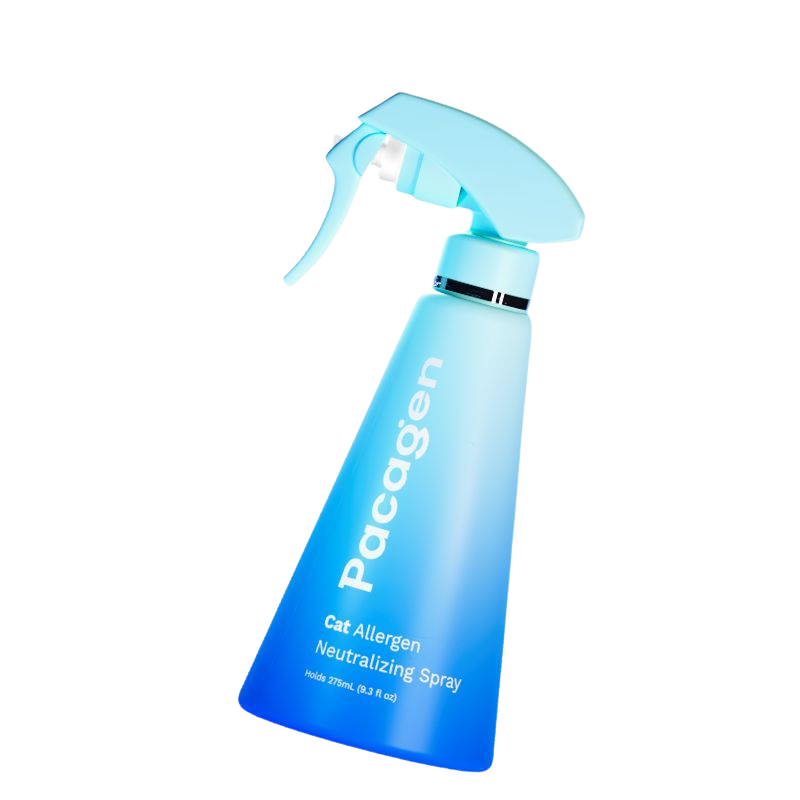
Cat allergen neutralizing spray
|
Allergy shots
|
Antihistamines
|
|---|---|---|
| Targets Fel d 1 on the cat and in the home, not inside your child’s body | Desensitizes the immune system over time | Mostly masks symptoms |
| Used at home with pet care and cleaning | Needles + regular clinic visits | May cause side effects |
| No needles; not a daily allergy pill for your baby | Can take years to see full benefit | Allergens stay in the environment |
| Complements your pediatrician’s plan | Ongoing injections on a schedule | Daily dosing is often part of the plan |
When to call the doctor
Seek urgent care for trouble breathing, wheezing that does not improve, facial swelling, or any sign of a severe allergic reaction. For ongoing mild symptoms, a pediatrician or allergist can help you sort viruses from allergies and recommend safe next steps.
Bottom line
Wanting to avoid allergy shots or pills for your baby is usually less about being “anti-medicine” and more about protecting a small person who cannot advocate for themselves. The smart move is to pair environmental allergen control with clear medical guidance, so you are not guessing alone at midnight.