
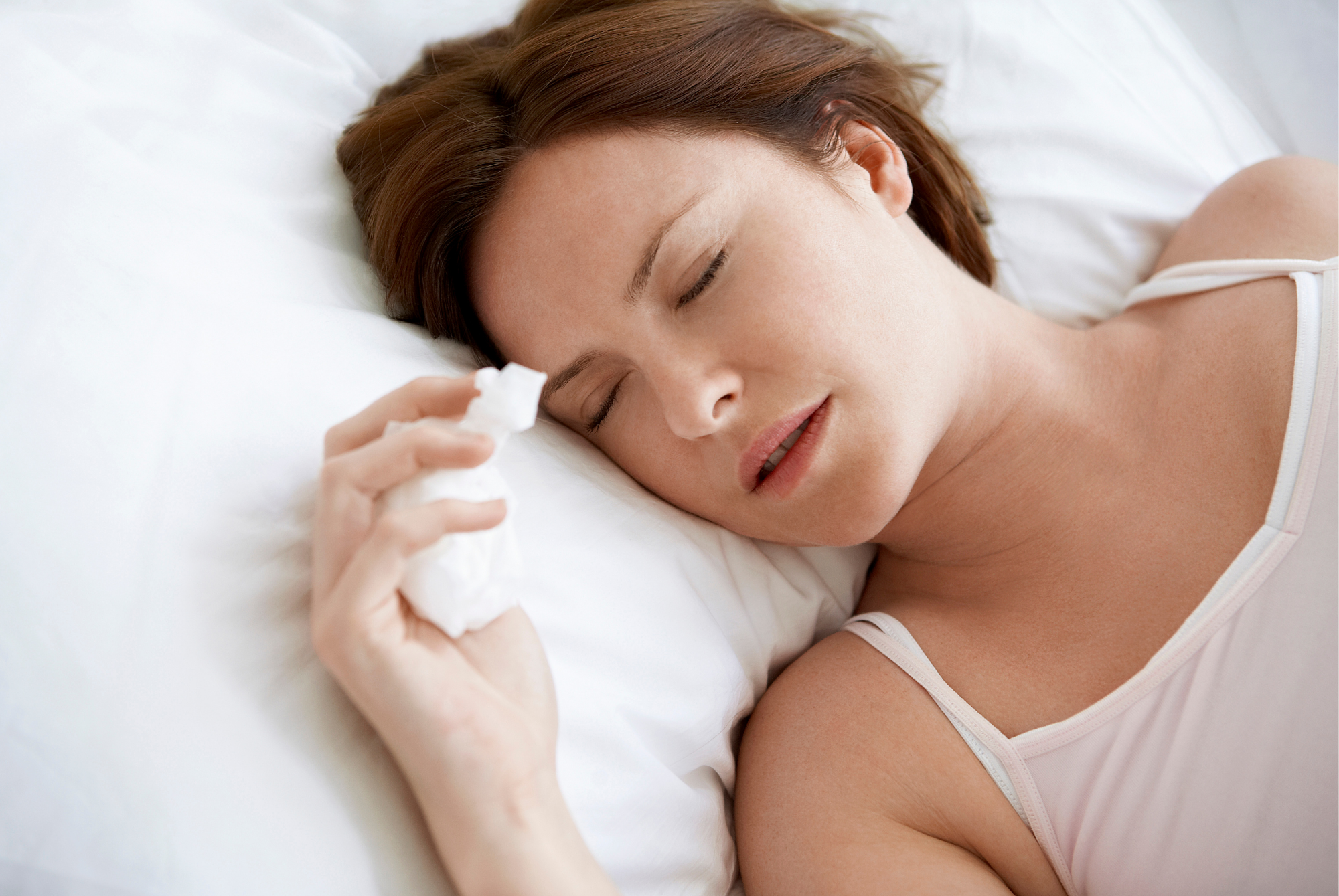
You make it through most of the day without too much trouble. Maybe you sneeze a few times or notice an itchy eye here and there. But then you get into bed, and suddenly your allergies seem to come alive.
Your nose is stuffed up. Your eyes are itchy. You're sneezing into your pillow. And if you have a pet, you might start wondering if your dog or cat is somehow making your allergies worse at night.
The good news is that your pet isn't necessarily producing more allergens once the sun goes down.
More likely, your bedroom is giving those allergens plenty of opportunities to bother you.
From bedding and carpets to the amount of time you spend in one room, nighttime can create the perfect environment for pet allergens to build up and trigger symptoms.
Here's what could be happening—and what you can do about it.
Your Bedroom Might Be Holding More Allergens Than You Think
Think about everything in your bedroom that your pet touches.
Maybe your cat sleeps at the foot of your bed. Maybe your dog likes to curl up on the rug. Or perhaps your pet isn't allowed in the bedroom at all, but spends plenty of time on the couch, where allergens can eventually travel throughout the house.
Pet allergens aren't limited to visible pet hair.
Allergens can come from proteins found in an animal's dander, saliva, urine, and other secretions. With cats, for example, Fel d 1 is the major allergen responsible for most cat allergy reactions. When cats groom themselves, the allergen spreads onto their fur and can eventually make its way onto furniture, clothing, bedding, and other surfaces.
And once those allergens are in your home, they're not necessarily easy to see—or clean away completely.
Why Do Pet Allergies Feel Worse at Night?
You're Spending Hours in One Room
During the day, you're constantly moving around.
You might spend some time in your bedroom, then head to the kitchen, leave for work, run errands, or spend time outside.
At night, you're usually in one place for several consecutive hours.
That means if your bedroom contains pet allergens, you're being exposed to them continuously while you sleep.
It's less about your allergies suddenly becoming stronger and more about how long you're exposed to the same environment.
Your Bedding Can Become an Allergen Trap
Your bed may be one of the biggest reasons your allergies seem worse at night.
Sheets, blankets, pillows, comforters, and mattresses are all soft, porous surfaces that can collect particles over time.
If your pet sleeps on your bed, the connection is pretty obvious. But even if your pet isn't allowed on the bed, allergens can still reach your bedding through clothing, dust, and air movement.
This is especially important with cats. Fel d 1 is a very small, sticky allergen that can attach to fabrics and surfaces throughout the home.
So if you're waking up congested every morning, don't just blame the cat.
Take a look at your bed.
Carpets and Rugs Can Hold Onto Pet Allergens
Your bedroom floor can be another hidden source of exposure.
Carpets and rugs can trap dust, pet hair, dander, and allergens. Every time you walk across them, move furniture, or disturb the fibers, some of those particles can become airborne again.
This is one reason homes with lots of carpeting and upholstered furniture can accumulate higher concentrations of indoor allergens.
If you're trying to make your bedroom more allergy-friendly, don't stop at changing your sheets.
Vacuuming the floor matters, too.
Lying Down Can Make Congestion Feel Even Worse
There's also a simple physical reason nighttime symptoms can feel more intense.
When you're lying down, nasal congestion and drainage can become more noticeable. If your nasal passages are already irritated from an allergic reaction, getting into bed can make that stuffiness feel significantly worse.
So you may not actually be having a stronger allergic reaction at bedtime.
You're simply more aware of the symptoms when you're trying to breathe, relax, and fall asleep.
And unfortunately, poor sleep can make the entire experience feel even worse the next day.
What If Your Pet Doesn't Sleep in Your Bedroom?
This is where pet allergies can get frustrating.
Keeping your pet out of the bedroom is a good place to start, but it doesn't necessarily mean the room is allergen-free.
Pet allergens can travel throughout the home on clothing, dust, furniture, and other surfaces. Cat allergens have even been found in environments where cats aren't directly present.
So if your cat spends all day on the living room couch, that doesn't mean the bedroom is completely separated from those allergens.
The goal isn't just to keep your pet out.
It's to reduce the allergens that make their way into your sleeping environment.
How to Make Your Bedroom More Allergy-Friendly
You don't have to completely redesign your home to start reducing nighttime allergy exposure.
A few changes can make your bedroom a better place to sleep.
1. Wash Your Bedding Regularly
Start with the easiest step.
Wash your sheets and pillowcases regularly, and don't forget blankets, comforters, and other washable bedding.
If your pet sleeps on your bed, you may want to clean these surfaces more frequently.
2. Keep Pets Off the Bed
As much as you may love having your cat curled up next to you, your bed is probably not the best place for them if you're allergic.
Keeping your pet off your bed can help prevent additional allergens from accumulating on the surfaces you're spending eight hours a night touching.
3. Vacuum Your Bedroom
Pay attention to more than just the obvious areas.
Vacuum:
- Carpets
- Rugs
- Under the bed
- Around furniture
- Upholstered surfaces
- Pet resting areas
If possible, a HEPA-filtered vacuum can help capture smaller particles rather than simply moving them around.
4. Don't Forget Curtains and Upholstery
Your sheets aren't the only fabrics collecting allergens.
Curtains, upholstered chairs, decorative pillows, and fabric headboards can all accumulate dust and pet allergens.
You don't necessarily need to remove every soft surface from your bedroom.
Just remember that anything that collects dust can potentially collect allergens, too.
5. Consider a HEPA Air Purifier
An air purifier can be another useful part of your allergy-cleaning routine.
HEPA filtration is designed to capture small airborne particles, which can help reduce the amount of allergen circulating through your bedroom.
Think of it as one more layer of protection—not a replacement for cleaning.
6. Clean Where Your Pet Spends the Most Time
If you're only cleaning your bedroom, you may be missing where many of the allergens are coming from.
Think about your pet's favorite spots.
The couch.
Their bed.
A particular rug.
The windowsill.
The corner where they spend the afternoon.
These areas can become allergen collection points over time. Regularly cleaning the places your pet spends the most time can help reduce the amount of allergen being distributed throughout the rest of your home.
Don't Make Your Home Spotless. Make It Smarter.
When you have pet allergies, it's easy to feel like you need to clean constantly.
But the goal isn't to create a perfectly sterile house.
Instead, focus your effort where it matters most.
Clean the surfaces your pet uses frequently. Wash the fabrics that collect allergens. Pay extra attention to the bedroom. And don't forget about the air.
This approach can be much more manageable than trying to eliminate every trace of pet hair and dust from your entire home.
What If You're Still Waking Up With Allergy Symptoms?
If you've cleaned your bedroom, kept your pet off the bed, and you're still waking up congested every morning, your pet may not be the only possible culprit.
Bedrooms can contain plenty of other allergens, including dust mites and mold.
Dust mites are particularly relevant because they commonly live in mattresses, pillows, carpets, and upholstered furniture—all areas where you spend a significant amount of time.
You may also be sensitive to more than one allergen.
If you're not sure what's triggering your nighttime symptoms, talking with an allergist can help determine what you're actually reacting to.
And if your symptoms include wheezing, chest tightness, or difficulty breathing, don't assume it's simply a case of nighttime allergies. Those symptoms should be discussed with a healthcare professional.
The Bottom Line
If your pet allergies seem worse at night, your pet probably isn't suddenly producing more allergens after dark.
Your home environment is more likely playing a major role.
You're spending hours in the same room, surrounded by bedding, carpets, furniture, and other surfaces that can collect allergens. And once you lie down, congestion can become even more noticeable.
The good news is that you can start addressing the problem without turning your entire home upside down.
Wash your bedding. Vacuum your bedroom. Clean your pet's favorite spots. Keep your pet off the bed. Consider adding HEPA filtration.
Because when it comes to nighttime pet allergies, sometimes the best place to start isn't with your pet.
It's with your home.