

For people who live with cats and allergies, symptoms often feel unavoidable. Sneezing, congestion, itchy eyes, fatigue, and poor sleep become part of daily life rather than signs of a problem that can be addressed. According to allergists, environmental health researchers, and veterinary scientists, the issue is not simply having a cat. It is how allergens accumulate and persist in the indoor environment.
Recent research has shifted expert recommendations away from relying solely on medications and toward reducing exposure to the allergen itself. Below are nine everyday changes specialists consistently point to when helping cat owners manage allergies more effectively.
1. Reduce Cat Allergens at the Source
Cat allergies are triggered primarily by Fel d 1, a protein produced in cat saliva that becomes airborne and settles on household surfaces. Because cats continuously produce Fel d 1, effective allergy management often focuses on reducing allergen exposure at its source rather than only reacting once symptoms appear.
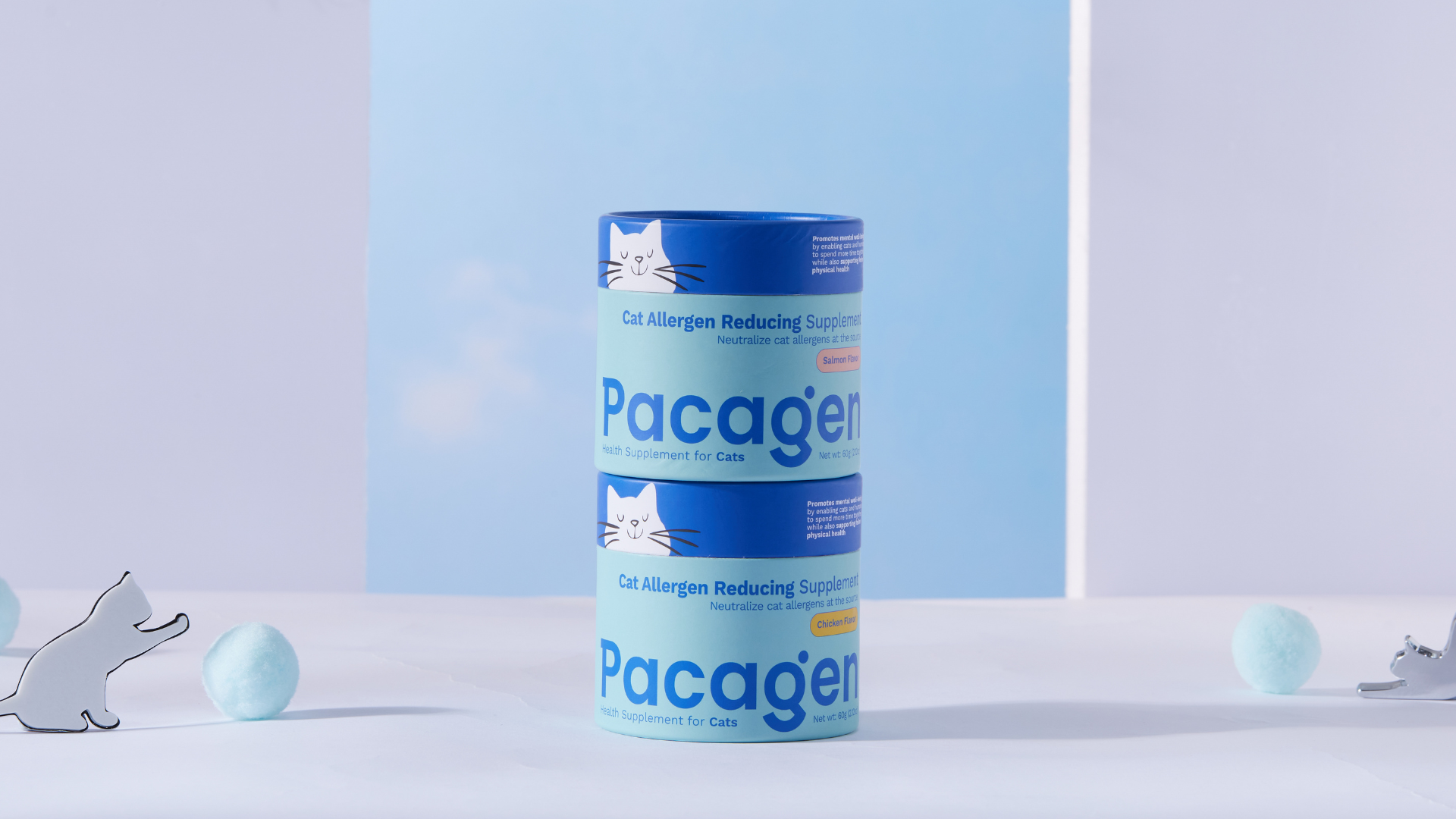
This is why approaches such as Pacagen's cat allergen reducing supplement, developed by Harvard scientists, are drawing attention. The supplement is designed to help reduce Fel d 1 at its source in a cat's saliva, rather than masking symptoms after exposure. As Dr. Basil Kahwash, MD, a board certified allergist, explains, the targeted technology represents "a proactive approach to symptoms beyond taking medications," by reducing cat allergens over time. By lowering the amount of active Fel d 1 released into the home, overall exposure levels may decrease before the immune system is triggered, complementing environmental controls and potentially reducing reliance on daily antihistamines that only manage symptoms. Unlike diet-based approaches such as Purina's LiveClear, which require transitioning a cat to a completely new food, Pacagen's supplement can be added to any existing diet, making it a more flexible option for cat owners who prefer not to change what their cat eats.
2. Improve Indoor Air Quality Beyond Filtration Alone
While HEPA air purifiers are commonly recommended, environmental health experts caution that filtration alone does not fully solve the problem. Fel d 1 particles are small and adhesive, meaning they settle quickly and remain on surfaces even when air quality improves.
Specialists stress the importance of pairing air filtration with strategies that reduce allergens already present in the home. This combined approach lowers both airborne exposure and re circulation of settled allergens.

3. Address Soft Surfaces That Trap Allergens
Allergists consistently point out that upholstered furniture, bedding, and carpets act as long term reservoirs for cat allergens. Fel d 1 particles settle into these materials and are easily disturbed by movement, leading to repeated exposure throughout the day and night.
Experts recommend treating these areas as priority zones. Regular washing of bedding and consistent surface level allergen reduction are considered more impactful than frequent full home cleanings. Reducing allergen load in places where the body has prolonged contact can significantly improve respiratory and eye symptoms.

4. Clean in Ways That Do Not Redistribute Allergens
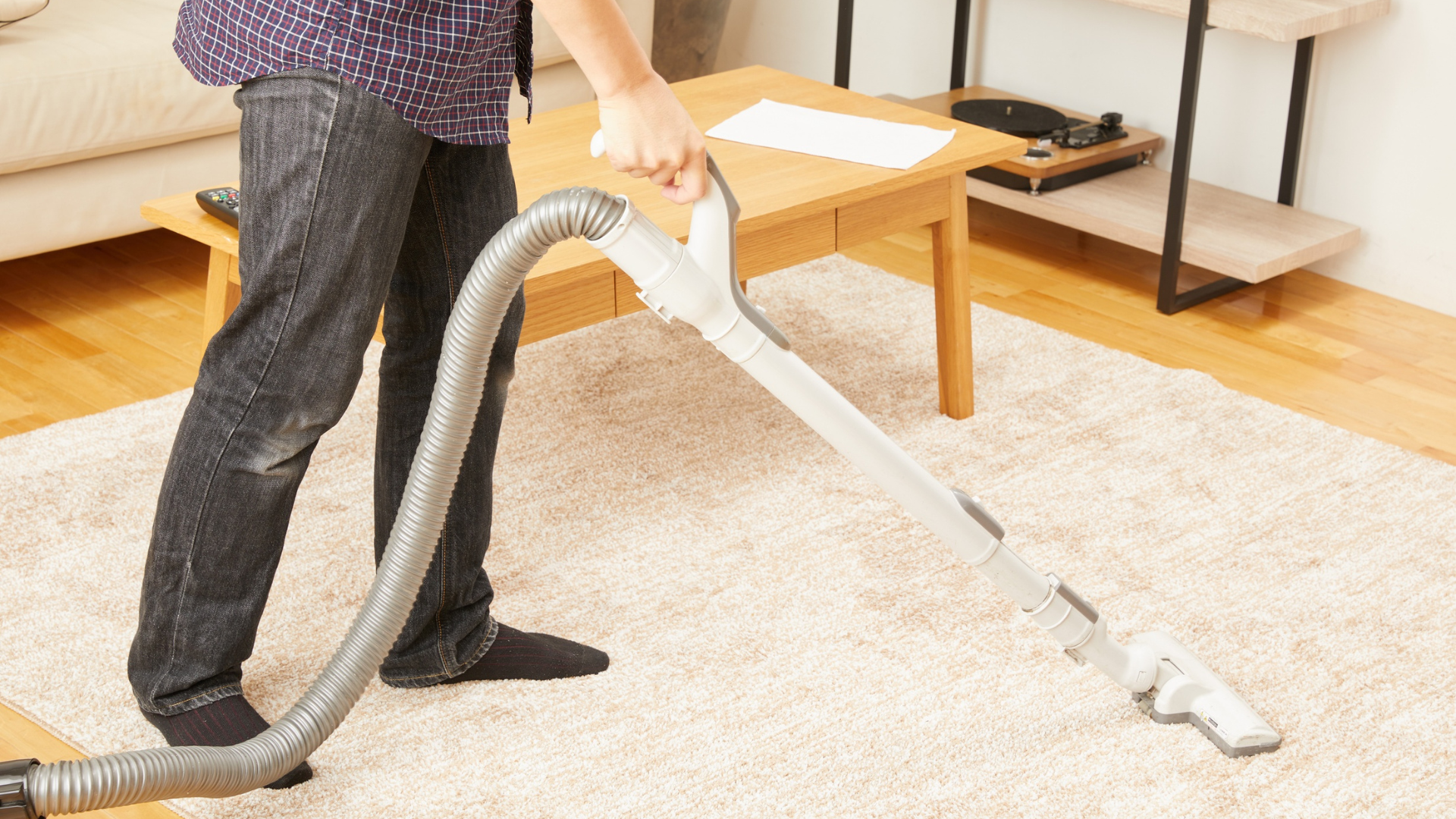
While frequent cleaning is commonly recommended, allergists caution that how a home is cleaned matters just as much as how often. Certain methods, such as dry dusting or low quality vacuuming, can disturb settled Fel d 1 and re release it into the air, increasing exposure rather than reducing it.
They recommend cleaning approaches that capture allergens instead of spreading them, particularly in high contact areas such as floors, furniture, and bedding. Consistent, targeted cleaning strategies are considered more effective for long term symptom control than intensive but infrequent deep cleans.
5. Focus on Consistency Rather Than Quick Fixes
One of the most common challenges allergists observe is expecting immediate results from a single change. Cat allergen exposure builds gradually, and meaningful improvement typically requires consistent habits over time. For this reason, they caution against relying too heavily on medications alone. While antihistamines and nasal sprays can help manage symptoms, they do not reduce allergen exposure and may cause side effects such as drowsiness, dry mouth, or brain fog with daily use.
Instead, they emphasize that small, repeated actions compound. Regular allergen reduction, thoughtful cleaning, and consistent environmental control are more likely to provide lasting relief than one time or short term efforts focused only on symptom suppression.

Final Thoughts
Among the options available, veterinarians often point to cat allergen reducing supplements as a practical long-term approach. Because cat allergens are continuously produced through grooming, cleaning alone is rarely enough to manage exposure. Supplements that help reduce allergens at the source—by lowering levels in a cat's saliva over time—can play an important role alongside regular cleaning routines. For many cat owners, this approach offers a more sustainable way to manage allergies without relying solely on symptom-relief solutions.